Inside Kansas City: A 6-Match World Cup Run
Kansas City hosted six FIFA World Cup 2026 matches at GEHA Field at Arrowhead Stadium, transforming the Missouri–Kansas region into a month-long football destination for supporters from around the wor...

Inside Kansas City: A 6-Match World Cup Run
Kansas City hosted six FIFA World Cup 2026 matches at GEHA Field at Arrowhead Stadium, transforming the Missouri–Kansas region into a month-long football destination for supporters from around the world. The host-city program combined elite international football, the FIFA Fan Festival, local food, cultural events, and hundreds of thousands of fan interactions across Kansas City. Unlike a normal tournament stop, Kansas City positioned itself as the “Soccer Capital of America,” connecting stadium football with a wider regional identity that included two states, major sporting traditions, and a growing MLS audience through Sporting Kansas City. For followers of Football Insights, the city offers a useful case study in how venue atmosphere, travel conditions, squad rotation, and crowd pressure can affect match predictions. The practical takeaway is simple: assess each 2026 World Cup football fixture through both team data and host-city conditions before placing any bet.
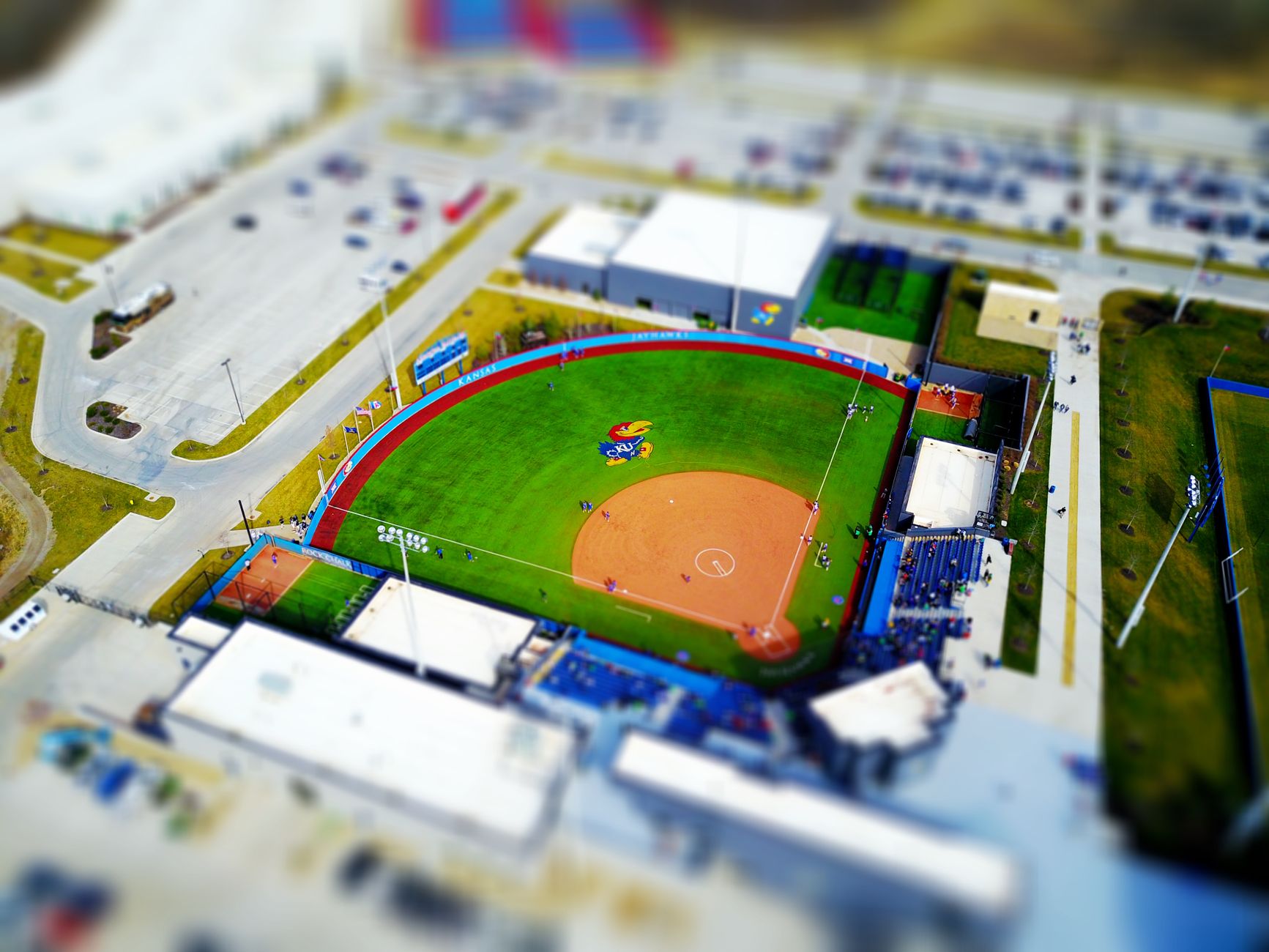
Photo by David McBee on Pexels
Kansas City’s World Cup story was never only about what happened on the pitch. The city’s official FIFA World Cup 2026 program presented six matches as the central event, but the surrounding experience stretched through public viewing areas, cultural programming, restaurants, transport corridors, and the FIFA Fan Festival. That matters because major tournaments create two separate forms of value: measurable sporting information and emotional momentum. A team may benefit from familiar conditions, while an opponent may be affected by travel, unfamiliar weather, or a hostile crowd. As a high-stakes bettor, I prefer separating those effects rather than treating atmosphere as a vague narrative. Football Insights uses the same discipline when comparing expected goals, shot locations, possession profiles, defensive transitions, and confirmed lineups. For official tournament background, the FIFA World Cup 2026 information hub remains the strongest starting point, while the Kansas City host-city website provides the local event perspective.
Want a sharper framework for following the tournament?
The Quick Comparison
| Factor | Kansas City World Cup 2026 | Why It Matters for Football Analysis |
|---|---|---|
| Host venue | GEHA Field at Arrowhead Stadium | Large, intense crowd environment |
| Match allocation | Six FIFA World Cup 2026 matches | More tournament data than a one-game host |
| Region | Kansas City, Missouri–Kansas | Two-state market with broad travel access |
| Fan programming | FIFA Fan Festival and cultural events | Expands engagement beyond match tickets |
| Sporting identity | “Soccer Capital of America” | Established football culture and MLS familiarity |
| Analysis angle | Team form plus venue conditions | Better than relying on reputation alone |
The comparison shows why Kansas City deserved attention from both supporters and analysts. Six fixtures created repeated opportunities to study pitch conditions, crowd behavior, access patterns, and team performance. A single match can produce noise; six matches provide a broader sample, although that sample still cannot prove that the venue itself caused a result. The Kansas City tourism authority also matters for practical planning because accommodation demand, restaurant capacity, and road congestion can shift dramatically around major fixtures. Those details are not glamorous, but they influence whether a travelling supporter arrives rested and whether a team’s operational routine remains stable. In betting terms, I would never price a match solely because “the crowd will be loud.” I would ask whether the crowd effect is already reflected in the odds, whether the opposing team has handled similar environments, and whether lineup news offers a stronger edge. Believe it or not — I do.
What made six matches more valuable than one?
Six matches gave Kansas City a wider observational sample, allowing supporters and analysts to compare different teams, tactical styles, crowd responses, and match-day conditions instead of judging the venue from one isolated result. The sample improves context, but it does not eliminate normal football randomness or guarantee a home-style advantage.
The six-match allocation also strengthened the city’s commercial and cultural footprint. Kansas City could build a sustained rhythm: early fixtures introduced visitors to the venue, later fixtures created accumulated anticipation, and the final match-day galleries preserved the visual record. For Football Insights readers, the useful distinction is between event volume and analytical reliability. Six matches may reveal recurring operational patterns, such as slower traffic on specific routes or consistently crowded public spaces, but six results remain too few to establish a reliable venue-specific betting system. A disciplined model should give greater weight to team-level variables, including recent non-penalty expected goals, pressing success, set-piece efficiency, goalkeeper save performance, and injury-adjusted squad strength.
The city’s cross-border identity adds another layer. Kansas City is divided between Missouri and Kansas, yet the World Cup branding treated the region as one connected destination. That can make accommodation searches broader, but it can also increase planning complexity because stadium access, public transport, and event locations are not always concentrated in one compact district. Supporters who booked only by distance on a map may have discovered that road conditions mattered more than a few nominal miles. I would build a travel buffer of at least 90 minutes around a high-demand match, especially when combining stadium entry with fan-festival attendance. That is not a dramatic prediction; it is simply a sensible risk-control measure.

Photo by Matthew Chirinos on Pexels
The FIFA Fan Festival was central to the host-city proposition. It gave fans who lacked match tickets a place to watch football, meet supporters from different countries, and experience food and entertainment associated with the tournament. The official Kansas City messaging emphasized “good matches, good food, good entertainment and good people,” a line that captured the event’s broad social purpose. From an SEO and audience perspective, the festival also widened the search intent around “2026 World Cup football”: readers were not just looking for fixtures and results, but also public viewing, things to do, regional travel, and the atmosphere surrounding the matches. See our [Internal Link: 2026 World Cup fan guide] for a practical approach to separating official events from informal viewing options.
Round 1: How did the venue and atmosphere shape the football experience?
GEHA Field at Arrowhead Stadium shaped the experience through its scale, reputation, concentrated supporter energy, and established American football infrastructure. The venue’s atmosphere can influence communication, set-piece organization, and emotional momentum, but analysts should treat it as a secondary variable behind player quality, tactical matchup, rest, and confirmed team news.
Arrowhead Stadium is internationally recognized for its noise and NFL history through the Kansas City Chiefs, but football supporters should avoid assuming that an American football venue automatically creates superior soccer conditions. The relevant questions are more precise: How close are spectators to the pitch? Does the bowl retain sound? Can players communicate during defensive transitions? How does the surface perform under tournament demands? Are teams accustomed to playing in front of a large, compressed crowd? Those questions produce better analysis than simply calling a stadium intimidating.
The match environment can matter most during narrow moments. A defender receiving the ball under pressure may choose a safer clearance when communication becomes difficult. A goalkeeper may receive less vocal instruction during a crowded set piece. Conversely, an experienced side with calm midfielders may neutralize the noise by circulating possession and slowing the match. For a prediction model, these effects should be considered as scenario adjustments rather than hard numerical facts. I might lower confidence in a young, error-prone defense, but I would not automatically add a goal to the host environment.
Kansas City’s existing relationship with football also deserves attention. Sporting Kansas City helped establish professional soccer culture in the region, while the city’s “Soccer Capital of America” identity gave the World Cup a ready-made narrative. The distinction is important: a city can possess genuine football interest without that interest translating directly into a result for every team playing there. Crowd composition varies by fixture, national identity, ticket pricing, and travel patterns. A match involving Mexico, the United States, Argentina, England, or another globally supported nation may generate a different sound profile from a neutral fixture. When possible, examine ticket distribution, supporter travel, and public viewing demand rather than using the host-city label as a shortcut.
Here is the practical checklist I would use before evaluating a Kansas City fixture:
- Confirm the starting goalkeeper, central defenders, and holding midfielder.
- Compare each team’s set-piece attack with the opponent’s aerial defense.
- Check whether either side played within the previous 72 hours.
- Review travel distance, training location, and press-conference comments.
- Determine whether the market has already priced crowd and venue narratives.
- Use responsible staking rules instead of increasing exposure because the match feels special.
Football Insights can support that process with team tactics, player statistics, and tournament coverage, but no preview can remove uncertainty. The attractive wager is not always the biggest name or most emotional storyline; it is the price that differs from your probability estimate after all relevant information is included.
Ready to compare teams beyond reputation?
Round 2: What did Kansas City add beyond the stadium?
Kansas City added a wider tournament ecosystem through the FIFA Fan Festival, food, entertainment, galleries, cultural storytelling, and regional hospitality. The official host-city program connected six match days with hundreds of thousands of fan experiences, making the event relevant to ticket holders, local residents, travelling supporters, and digital audiences.
The Fan Festival changed the economics of attendance. A supporter did not necessarily need a match ticket to participate in the tournament atmosphere, and that expanded access encouraged visitors to plan longer stays. Public viewing also created a useful alternative when match tickets became expensive or unavailable. However, “free” public programming does not mean zero cost: transport, food, accommodation, and time remain part of the total budget. The FIFA Fan Festival overview is useful for checking official programming, while local event pages should be consulted for opening hours and venue-specific restrictions.
A practical information gain lies in the difference between stadium timing and festival timing. Match ticket holders should plan backward from security entry, not kickoff. If security, merchandise, and food queues each consume 15 to 20 minutes, a supporter who arrives only 30 minutes before kickoff has almost no margin for traffic or a delayed rideshare. Festival visitors face the opposite challenge: arriving too early may create unnecessary spending and fatigue before a late match. My preferred plan is to select one primary event, one backup viewing location, and a fixed departure time. The simple structure reduces impulsive decisions, especially when a city is crowded and every nearby venue looks attractive.
The food and entertainment angle was not decorative. Kansas City’s barbecue reputation, live music, and sports culture gave international visitors reasons to explore beyond the stadium. That regional identity helped the host city tell a more complete story than a fixture list alone. Yet supporters should also protect their energy. A full day of walking, a heavy meal, and a late kickoff can reduce concentration and comfort, particularly during summer conditions. Hydration, comfortable footwear, and a realistic return plan are operational details that usually matter more than the perfect photo location.
For bettors, fan-festival activity can create a behavioral trap. When supporters spend hours surrounded by national colors, chants, and promotional content, they may become more likely to overrate the team they emotionally support. That is precisely when a probability model becomes valuable. Record your pre-event estimate before entering the crowd, then compare it with the market afterward. If your confidence rises only because the atmosphere is persuasive, that is an emotional signal, not new evidence. The safest choice may be passing on the match.

Photo by Guylain Kipoke on Pexels
The official host-city storytelling also highlighted people, places, and moments from the Heartland. That framing matters because major tournaments leave behind more than attendance figures. Kansas City used galleries and post-event narratives to document supporters, stadium scenes, and community participation. For readers researching the tournament after the final whistle, these records offer context that live odds pages cannot provide. Explore our [Internal Link: World Cup match analysis archive] when you want to connect atmosphere with measurable team performance.
Round 3: How should bettors analyze 2026 World Cup football in Kansas City?
Bettors should analyze Kansas City matches with a blended model: team strength and tactical matchup first, rest and travel second, venue atmosphere third, and emotion last. The strongest process combines expected-goal data, confirmed lineups, player availability, set pieces, weather, market movement, and a predefined staking limit.
A useful starting point is to divide information into three tiers:
- Tier one: measurable football quality. Use non-penalty expected goals, shots in the box, field tilt, possession under pressure, defensive errors, and set-piece output.
- Tier two: match conditions. Include rest days, travel, temperature, pitch information, referee tendencies, and likely game state.
- Tier three: narrative factors. Consider crowd intensity, national support, tournament history, and media pressure only after the first two tiers are assessed.
This hierarchy prevents the host-city story from overpowering stronger evidence. A technically superior team with a deep bench may cope well with travel and noise, while a weaker side with excellent defensive organization can still outperform its market price. The key is not predicting the winner with certainty; it is estimating probabilities more accurately than the available odds. If a decimal price of 2.00 implies 50% before margin, you need a realistic probability above 50% after accounting for bookmaker margin and uncertainty. A small theoretical edge should not justify an oversized stake.
One less obvious edge is lineup timing. Tournament markets can move sharply when a goalkeeper, striker, or defensive midfielder is confirmed absent, but not every absence deserves the same adjustment. A team losing its primary set-piece taker may suffer more against a vulnerable aerial defense than against an opponent that rarely concedes dead-ball chances. Likewise, a missing fullback matters more when facing an elite winger who attacks the outside channel. Matchup-specific replacement value is more useful than counting injured players.
Another operational edge is distinguishing travel inconvenience from tactical fatigue. A long journey may not reduce performance if the team has several recovery days and a stable training base. By contrast, a short turnaround can damage pressing intensity even when travel is minimal. Track minutes played, substitutions, and sprint-heavy roles from the previous fixture. A high-tempo team that cannot rotate its front three may struggle late, creating value in second-half markets rather than pre-match result markets. This is the type of detail that broad tournament previews often ignore.
Authorities also matter when responsible gambling is involved. The National Council on Problem Gambling provides public information on gambling risks, and the FIFA Code of Ethics illustrates why integrity and fair competition remain central to football governance. One official governance principle is often summarized as “integrity of competitions,” which is the correct standard for analysis: never treat rumours, private information, or suspicious market behavior as a reason to chase losses. Use legal, regulated services where available, verify local requirements, and stop when your preset loss limit is reached.
Football Insights is best used as an information partner, not as a promise of profit. Review match previews, tactical notes, player trends, and statistical context, then make your own decision. If the numbers and the price do not align, there is no obligation to bet. Passing is a position, and in a month filled with thousands of tournament narratives, it is often the position that protects the bankroll.
For a data-led second opinion, review the latest tournament analysis here.
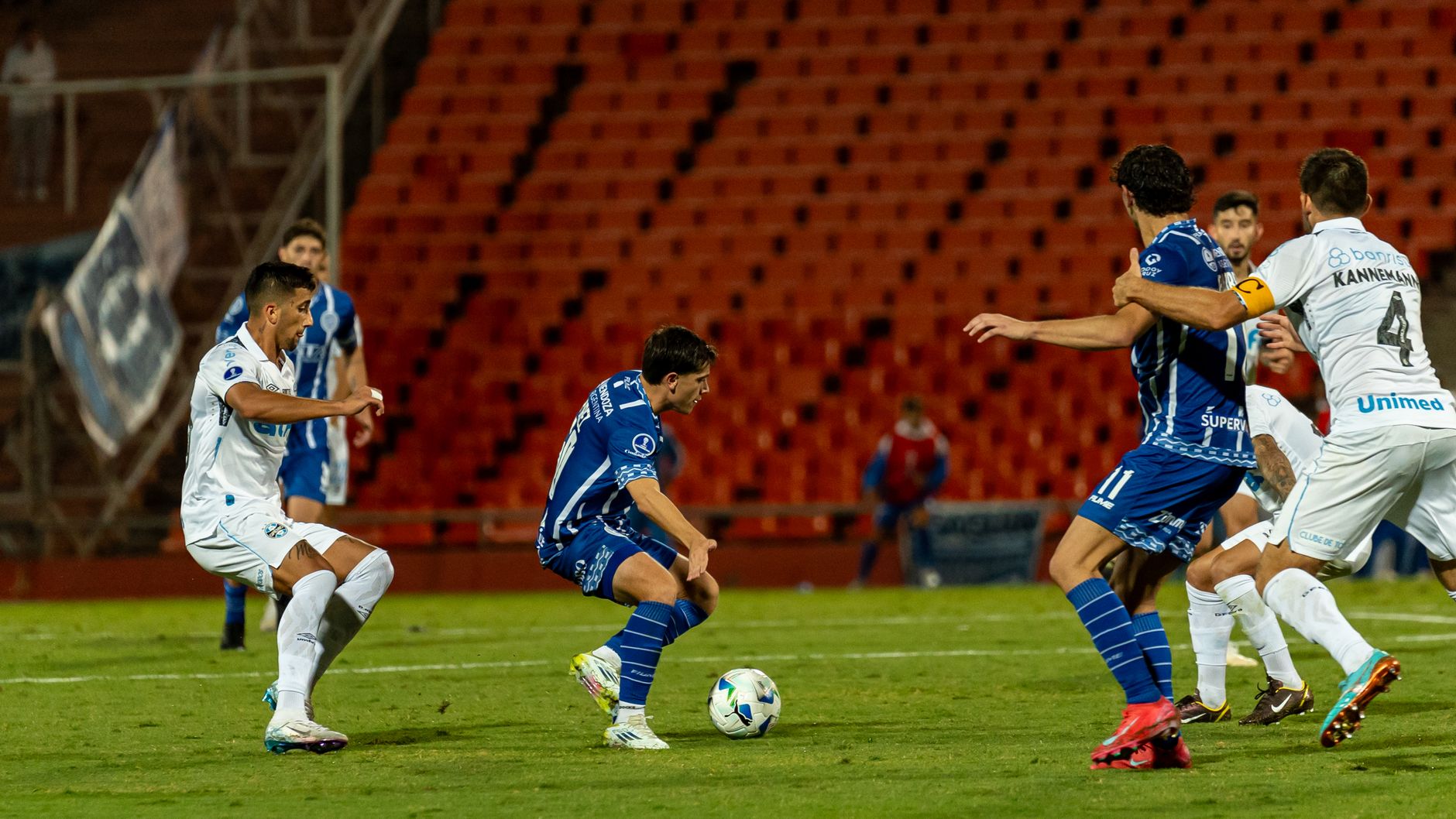
Photo by Franco Monsalvo on Pexels
The Final Score & Who Should Pick What
Kansas City’s strongest World Cup asset was its combination of scale, football culture, public programming, and regional hospitality. Supporters who wanted a major-stadium experience should prioritize GEHA Field at Arrowhead Stadium, while visitors seeking flexible access should investigate the FIFA Fan Festival and official public events. Analysts should treat the six-match schedule as a valuable context window rather than proof of a permanent betting advantage.
Here is the clearest decision guide:
- Choose the stadium experience if you value national-team atmosphere, live match tension, and large-scale event production.
- Choose the FIFA Fan Festival if you want public viewing, entertainment, food, and a broader community setting.
- Choose a regional stay if accommodation near the stadium is expensive or transport demand is unusually high.
- Choose Football Insights analysis if you need tactical previews, player statistics, prediction context, and daily 2026 World Cup coverage.
- Choose no bet when the price is poor, the lineup is unclear, or emotion is driving the decision.
The contrarian conclusion is that the most valuable Kansas City insight may not be crowd advantage at all. It may be the city’s ability to reveal how tournament football operates as a complete ecosystem, where travel, scheduling, event design, commercial pressure, and supporter behavior affect the experience around every fixture. A smart reader can enjoy the spectacle while keeping analytical distance. That balance is especially important in gambling, where excitement is plentiful and genuine value is scarce. Kansas City welcomed the world with six matches and hundreds of thousands of fan experiences; your job is to decide which facts actually deserve a place in your model.
Want to keep following the numbers after the Kansas City matches?
Frequently Asked Questions
Q: What is the 2026 World Cup football experience in Kansas City?
A: The 2026 World Cup football experience in Kansas City combined six FIFA World Cup matches at GEHA Field at Arrowhead Stadium with the FIFA Fan Festival, cultural events, food, entertainment, and regional visitor programs. Kansas City, spanning Missouri and Kansas, presented itself as the “Soccer Capital of America” and welcomed supporters beyond those holding match tickets. The city’s official host program also documented stadium scenes, fan galleries, and community stories connected with the tournament.
Q: How can I analyze a Kansas City World Cup match before betting?
A: Start with confirmed lineups, team form, non-penalty expected goals, defensive performance, rest days, and set-piece matchups before considering crowd atmosphere. Next, compare the implied probability in the odds with your own estimate and account for bookmaker margin. Use Football Insights for tactical and player-stat context, set a fixed stake, and avoid betting when a late lineup change creates more uncertainty than your model can handle.
Q: What is the difference between GEHA Field at Arrowhead Stadium and the FIFA Fan Festival?
A: GEHA Field at Arrowhead Stadium is the ticketed match venue, while the FIFA Fan Festival is a public-facing environment for watching football, meeting supporters, and enjoying entertainment. The stadium offers the intensity of live international competition and direct access to the match atmosphere. The festival offers greater flexibility and may suit visitors without tickets, but schedules, capacity, transport, and official access rules should be checked before travelling.
Q: Is Kansas City worth visiting for 2026 World Cup football?
A: Kansas City is worth considering for visitors who want major-stadium football combined with food, culture, public viewing, and a strong regional sports identity. Six matches created more tournament depth than a host city assigned only one or two fixtures. However, visitors should budget for accommodation surges, traffic, meal costs, and longer transfer times, because the total trip expense can exceed the match-ticket price.
Q: What should I do if World Cup betting odds move after team news?
A: Recalculate the probability instead of automatically following the market movement. Identify whether the change reflects a goalkeeper, striker, defender, tactical midfielder, weather update, or unverified rumour, then assess that player’s replacement value in the specific matchup. If the information is unclear or the price has already adjusted fully, do not chase the market; waiting or passing is safer than betting from urgency.
Q: How much money should I stake on a 2026 World Cup bet?
A: Stake only an amount that remains affordable if the bet loses, and use a consistent percentage or fixed-unit system rather than emotional increases. Many disciplined bettors keep each position small, such as 0.5% to 1% of a dedicated betting bankroll, although the correct limit depends on personal finances and local rules. Never borrow money, use essential funds, or raise stakes after a loss, and consult responsible-gambling resources if betting stops feeling controlled.
Q: Why might a strong team struggle in Kansas City?
A: A strong team may struggle because of short rest, travel disruption, unfamiliar match conditions, lineup rotation, tactical incompatibility, or difficulty coping with the stadium atmosphere. These factors do not automatically create an upset, but they can reduce pressing intensity, defensive concentration, or attacking efficiency. Check minutes played, recovery time, substitute quality, and the opponent’s transition threat before assuming the favorite will perform at its normal level.
Kansas City’s tournament legacy belongs to the supporters, the stadium, the festival, and the wider Missouri–Kansas region. Football Insights continues the analytical side of that story with match predictions, tactical breakdowns, player statistics, and daily 2026 World Cup coverage.
Continue the tournament with a measured, data-first approach.
Football Insights · System Archive · Entry Complete