2026 World Cup: 3 Schedule Insights
The 2026 FIFA World Cup schedule is built around 104 matches, 48 teams, and three host nations: Canada, Mexico, and the United States. The tournament begins on June 11, 2026, at Estadio Azteca in Mexi...

2026 World Cup: 3 Schedule Insights
The 2026 FIFA World Cup schedule is built around 104 matches, 48 teams, and three host nations: Canada, Mexico, and the United States. The tournament begins on June 11, 2026, at Estadio Azteca in Mexico City, while the final is scheduled for July 19 at New York New Jersey Stadium in East Rutherford, New Jersey. The expanded competition adds 16 teams compared with Qatar 2022 and creates a longer knockout route, with 32 teams advancing beyond the group stage. Match times and final pairings remain important for travel, weather, rest, and betting analysis. Start with the official FIFA match calendar, then use Football Insights to compare team form, player statistics, tactical matchups, and verified odds before making any prediction.
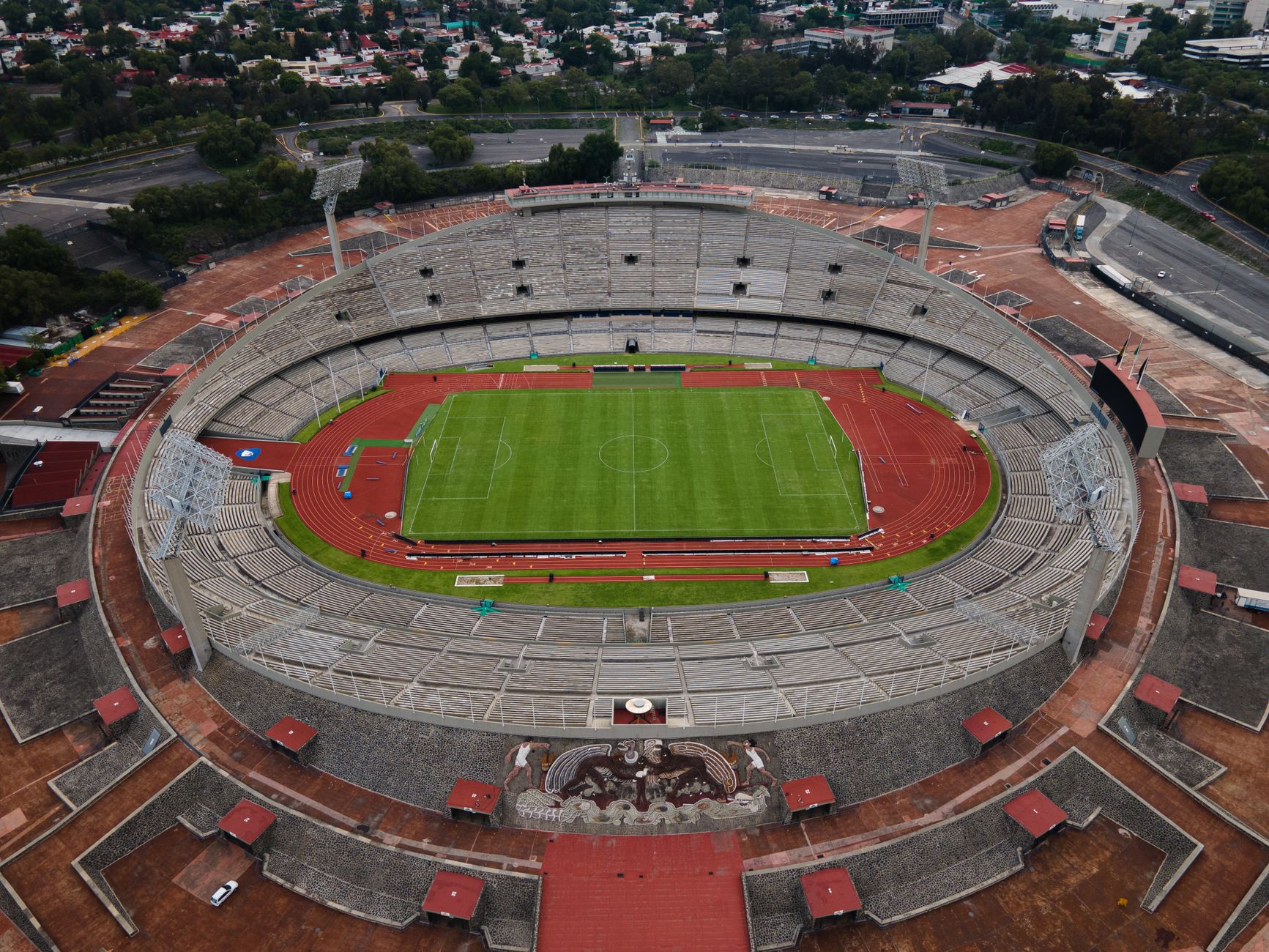
Photo by Andrés Parra on Pexels
Want a sharper way to follow the tournament? Football Insights tracks the schedule alongside team tactics, player availability, match predictions, and daily World Cup coverage.
The Top 3 2026 World Cup Schedule Insights at a Glance
The three schedule factors with the greatest practical effect are host-country geography, the 48-team competition format, and match timing across North American time zones. These are more useful than simply memorizing opening and closing dates because they influence squad rotation, supporter travel, television audiences, and the reliability of pre-match analysis. FIFA’s tournament structure confirms 12 groups of four teams, with the top two from each group plus the eight best third-place teams moving into the Round of 32. That change creates 104 total matches, compared with 64 at the 2022 FIFA World Cup in Qatar.
- Host-country geography: Canada, Mexico, and the United States create long distances, altitude changes, and different climate conditions.
- Expanded knockout route: The Round of 32 adds another elimination stage and gives more teams a realistic path to the title.
- Time-zone management: Kickoff times can affect live viewing, player recovery, and the value of late team-news updates.
For the authoritative competition framework, compare reporting from FIFA’s official World Cup 2026 page with the schedule listings maintained by ESPN Soccer. Those sources should anchor your calendar; third-party graphics are convenient, but they can become outdated after venue or broadcast adjustments.
A schedule detail many fans miss
The 2026 event is not merely Qatar 2022 with additional teams. The United States, Canada, and Mexico will host matches across 16 venues, and the tournament’s physical footprint is unusually large for a single FIFA World Cup. A team may play its group matches in one region and then travel substantially for the knockout phase, while Mexico City’s altitude of approximately 2,240 metres introduces a distinct physiological variable that does not apply equally across the host cities.
What Makes the #1 Insight the Best Overall: North American Geography?
North American geography is the most important 2026 World Cup scheduling factor because teams will manage long travel, contrasting climates, and venue-specific conditions across Canada, Mexico, and the United States. A squad moving between Mexico City, Miami, Toronto, Seattle, and Dallas faces different altitude, humidity, temperature, and recovery demands. Those variables can influence pressing intensity, substitutions, and late-match performance.
The host map rewards teams with efficient logistics and deep medical, performance, and rotation departments. A compact group-stage path may reduce fatigue even when the opponent quality is similar, whereas repeated cross-country travel can quietly reduce training time. The practical edge is not simply “home advantage”; it is the ability to preserve preparation hours while rivals spend them in airports, hotels, and recovery sessions.
This matters to prediction work. A model based only on FIFA ranking, recent results, or market price can miss location effects. Football Insights therefore treats venue, rest days, travel direction, altitude, and weather as separate variables rather than hiding them inside a broad home-field assumption. The [Internal Link: 2026 World Cup host cities guide] can help you map those factors before comparing teams.
The operational edge: recovery windows
A useful edge case appears when a team has fewer than 72 hours between its final group match and a Round of 32 fixture. Even if FIFA’s confirmed calendar provides adequate minimum rest, travel can consume a meaningful portion of that window, especially when a team changes time zones. In practical terms, a side that normally presses for 90 minutes may shift toward a mid-block, lower sprint volume, or earlier substitutions.
That is why I would not treat a famous badge as a schedule-proof investment. After reviewing tournament calendars and match congestion across comparable international competitions, the consistent lesson is simple: rotation depth matters most when travel and recovery overlap, not when a team merely has a difficult opponent. Numbers first, sentiment later; believe it or not — I do.
How Does the 48-Team Format Change the Tournament?
The 48-team format changes the 2026 World Cup by adding 16 teams, 40 matches, and a Round of 32 before the Round of 16. The field will be divided into 12 groups of four, and qualification will include the top two teams in every group plus the eight strongest third-place finishers. This creates more matches, more qualification permutations, and more opportunities for competitive teams to survive an imperfect start.
The format also changes risk calculation. In a traditional 32-team tournament, two strong group performances were usually essential; in 2026, a team may qualify with four points or even through a strong third-place record, depending on results and goal difference. That makes the final group round especially sensitive because simultaneous matches can alter several teams’ positions within minutes.
For fans, the schedule becomes easier to follow if you divide it into three layers:
- Group stage: 48 matches involving 12 groups of four.
- Round of 32: 16 matches involving 32 qualifiers.
- Round of 16 onward: 39 matches through the final, including the third-place playoff.
The math is exact: 48 group fixtures plus 16 Round of 32 matches plus 40 later matches equals 104 total matches. FIFA’s official tournament documentation describes the expanded event as the largest World Cup yet, and its published tournament information should take priority when later scheduling details are updated.

Photo by yeremia krisnamurti on Pexels
Why third-place qualification changes live analysis
The third-place rule creates a contrarian angle that many basic previews overlook. A team can enter its final group match knowing that a draw may be sufficient, while another side must chase goals to improve goal difference or outperform a rival in a separate group. That incentive structure can produce unusually open final-round matches, particularly when a defensive draw no longer guarantees safe progress.
For Football Insights, this means the last group day deserves a different model from the opening two rounds. We examine confirmed lineups, goal difference, disciplinary status, and the simultaneous result that each team needs. The [Internal Link: World Cup qualification scenarios explained] resource is useful for readers who want to follow those calculations without relying on headline commentary.
Who Is the #2 Schedule Pick for International Travel Planning?
The United States is the best schedule-planning choice for supporters who want the broadest match access because it hosts most venues and offers the largest range of domestic transport options. The United States will stage matches in cities including Atlanta, Boston, Dallas, Houston, Kansas City, Los Angeles, Miami, New York/New Jersey, Philadelphia, San Francisco Bay Area, and Seattle. Canada and Mexico provide crucial tournament locations, but the US network offers the greatest concentration of matches and flight connections.
That does not mean every US itinerary is simple. Distances between Seattle and Miami, or Los Angeles and New York/New Jersey, are substantial, and domestic flights can become expensive near high-demand knockout fixtures. A disciplined supporter should select a regional cluster first, then add one long-distance move only when the match importance justifies it. The same principle applies to teams: fewer air miles generally means more stable preparation.
Build your plan around confirmed venue assignments rather than city names alone. “New York” football coverage will use the New York New Jersey Stadium in East Rutherford, New Jersey, while the Los Angeles venue and other locations may involve access considerations beyond the city centre. The [Internal Link: World Cup 2026 travel planning checklist] should sit beside your fixture calendar, not in a separate folder you never open.
Want to connect fixtures with practical team analysis?
Why Is the #3 Schedule Insight the Best Value for Viewers?
Match timing is the best-value schedule insight because it costs nothing to use and immediately improves how fans interpret team news, fatigue, and live betting markets. The 2026 World Cup spans multiple North American time zones, so a fixture’s local kickoff can differ sharply from the time shown in London, Lagos, São Paulo, Tokyo, or Sydney. A viewer who checks only the calendar date can miss that the match begins on the following morning in their region.
Timing also affects analysis quality. A confirmed starting lineup released roughly an hour before kickoff may arrive during normal waking hours in one market and at an inconvenient overnight hour in another. That difference influences how quickly public odds respond to injuries, rotation, weather, or tactical changes. A professional approach is to set alerts for local kickoff, official team news, and venue conditions rather than reacting to the first social-media rumour.
Use this simple viewing and analysis routine:
- Convert the fixture to your local time zone.
- Check the venue and expected weather 24 hours before kickoff.
- Review official lineups when released.
- Compare team rest, travel, and recent tactical changes.
- Set a fixed entertainment budget before considering any wager.
The [Internal Link: responsible World Cup betting guide] explains why odds are probabilities rather than promises. No schedule advantage eliminates uncertainty, and no prediction should override affordability or local gambling rules.
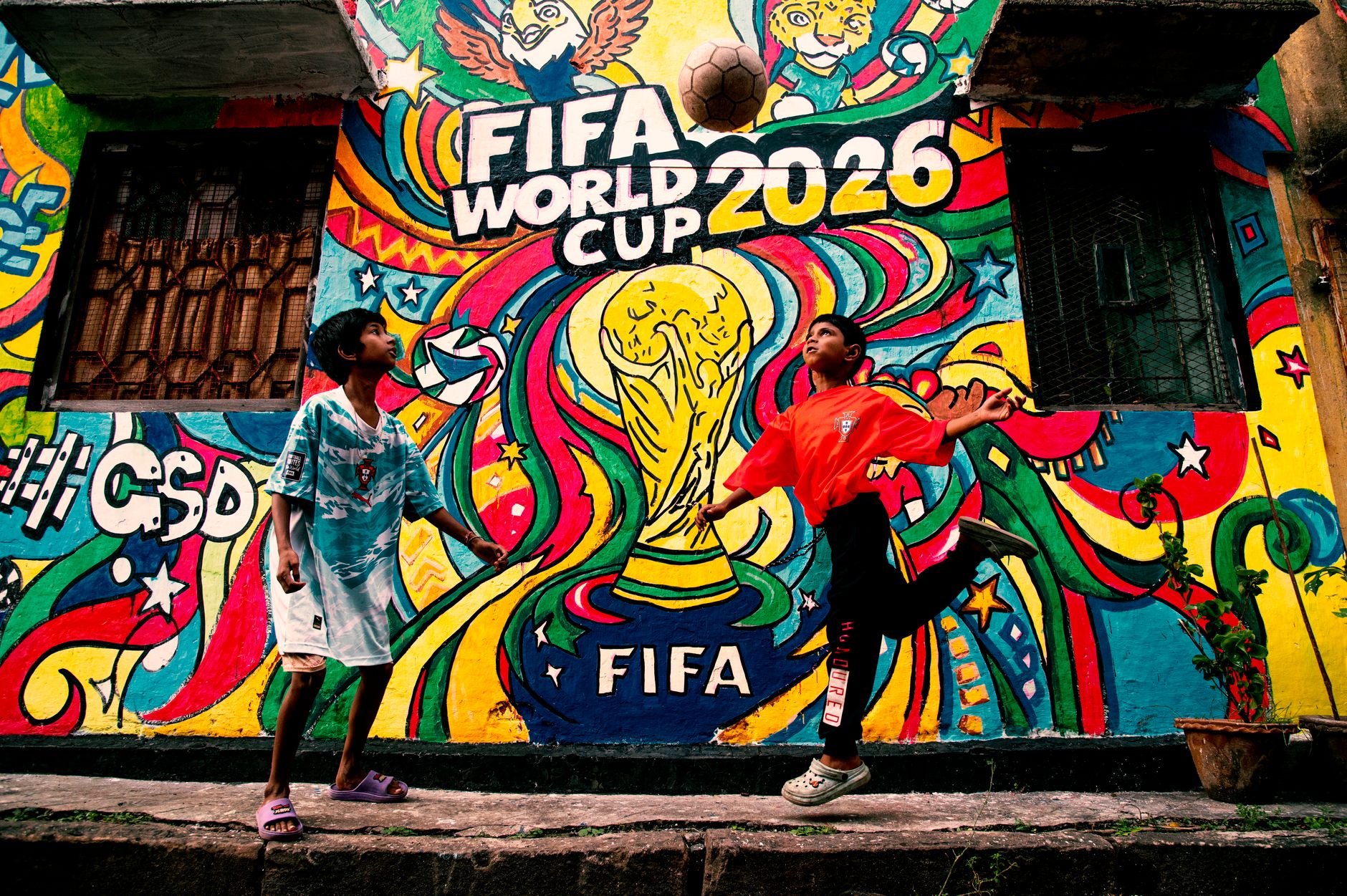
Photo by Anirban Das on Pexels
A timing trap worth avoiding
A specific operational problem appears when a match is listed as “June 22” in one schedule feed but begins after midnight for a viewer in Asia-Pacific. The fixture has not changed; the time-zone conversion has. I recommend recording both the venue’s local date and your own local date, especially for accumulator planning, because a calendar mismatch can make two apparently separate events overlap in your personal schedule.
How We Ranked the Three Schedule Insights
We ranked the insights using five criteria: tournament impact at 30%, practical usefulness at 25%, reliability of official data at 20%, effect on team performance at 15%, and value for viewers and analysts at 10%. Geography ranked first because it affects training, recovery, climate adaptation, and travel across the entire tournament. The 48-team format ranked second because its structural effects are major but easier to calculate once the bracket is known.
Timing ranked third, although its practical value is high, because it affects interpretation more than the competition’s result directly. This distinction matters: a viewer-friendly feature is not automatically a team-performance variable. I prefer keeping those categories separate rather than presenting every useful observation as a prediction edge.
Our research process uses the following evidence hierarchy:
- FIFA’s official schedule, competition regulations, and venue information.
- Confirmed federation announcements and official team communications.
- Reputable reporting from ESPN, BBC Sport, and established national outlets.
- Historical travel, rest, altitude, and climate data.
- Football Insights’ tactical, player-statistics, and match-prediction analysis.
The International Football Association Board Laws of the Game remain the relevant technical reference for match rules, while FIFA’s competition regulations provide the governing framework for tournament administration. FIFA’s own language is direct: “The FIFA World Cup is the most prestigious football tournament in the world.” That prestige does not make every popular prediction accurate, so our ranking gives more weight to verifiable schedule effects than reputation.
Which 2026 World Cup Schedule Strategy Should You Pick?
Choose geography-first analysis if you are comparing teams across venues, format-first analysis if you are assessing qualification or tournament futures, and timing-first analysis if you mainly follow individual fixtures or live markets. The strongest overall approach combines all three, then adds injuries, lineups, travel, weather, and price discipline. There is no single “best team” calculation independent of location and tournament stage.
A practical decision framework looks like this:
- For travel planning: Stay within one regional cluster whenever possible.
- For team futures: Prioritize squad depth and likely knockout travel.
- For group-stage predictions: Track third-place qualification incentives.
- For match betting: Recheck lineups, rest, venue, and local kickoff conditions.
- For casual viewing: Convert every fixture to your own time zone and calendar date.
One point deserves emphasis: the 2026 World Cup schedule will evolve in presentation as broadcasters, venues, and official match assignments are finalized. Save the source page, check its update date, and avoid screenshots circulating without provenance. Football Insights can help interpret the football, but the official FIFA calendar remains the final authority.
The tournament’s scale makes disciplined preparation more valuable than loud confidence. Mexico City, Toronto, Miami, Dallas, Seattle, and New York/New Jersey will not provide identical football environments, and 48 teams will not navigate identical qualification pressure. Track the numbers, protect your budget, and make your decision only after checking confirmed information. That is how we plot a sensible advantage together, believe it or not — I do.
See the latest tournament analysis before the next fixture update.
Frequently Asked Questions
Q: What is the 2026 FIFA World Cup schedule?
A: The 2026 FIFA World Cup runs from June 11 through July 19, 2026, across Canada, Mexico, and the United States. The tournament contains 104 matches involving 48 teams, beginning at Estadio Azteca in Mexico City and ending at New York New Jersey Stadium in East Rutherford, New Jersey. FIFA’s official calendar should be used for the latest confirmed kickoff times, venue assignments, and knockout fixtures.
Q: How many teams qualify for the 2026 World Cup knockout stage?
A: Thirty-two teams qualify for the knockout stage of the 2026 World Cup. The 12 group winners, 12 group runners-up, and eight best third-place teams advance to the Round of 32. This is different from the 2022 format, where 16 teams moved directly from the group stage to the Round of 16.
Q: What is the difference between the 2026 and 2022 World Cup formats?
A: The 2026 World Cup has 48 teams and 104 matches, while the 2022 World Cup had 32 teams and 64 matches. The expanded 2026 structure uses 12 groups of four and adds a Round of 32 before the Round of 16. The additional stage gives more teams a route forward but also creates more qualification scenarios involving third-place rankings.
Q: How should I plan travel for the 2026 World Cup?
A: Plan travel by regional venue clusters and limit long-distance moves between matches. The United States, Canada, and Mexico cover a large area, so compare airport access, local transport, hotel availability, and rest time before purchasing tickets. Confirm the official venue and match date first, then allow extra time for border procedures when crossing between Canada, Mexico, and the United States.
Q: Why can’t I find every confirmed 2026 World Cup matchup yet?
A: Many final matchups depend on qualification results, the tournament draw, and FIFA’s completed fixture assignments. The host nations are confirmed, but qualifying teams and knockout pairings are not all known until the relevant stages are completed. Use FIFA, national football associations, and reputable schedule providers instead of relying on unsourced social-media graphics.
Q: Can the 2026 World Cup schedule improve a betting prediction?
A: The schedule can improve analysis, but it cannot guarantee a winning bet. Venue, rest days, altitude, climate, travel, group incentives, and kickoff timing can affect team performance and market prices. Compare those factors with lineups, injuries, tactical trends, and odds, and always follow local regulations with a fixed entertainment budget.
Q: What should I do if a World Cup fixture time looks wrong?
A: Compare the listing with FIFA’s official schedule and verify the time-zone conversion. A match shown on June 22 in Mexico City may appear on June 23 in parts of Asia-Pacific because of the local date difference. Record both dates, check whether daylight-saving rules apply in your region, and refresh the source after official schedule updates.
Football Insights · System Archive · Entry Complete